A complete Pune homeowner guide to high Mahavitaran (MSEDCL) bills: the real culprits behind summer bill shock, free fixes you can apply today, and Unihox smart AC, switch, and geyser upgrades that turn energy waste into measurable savings.
That MSEDCL SMS at the Start of the Month
You open the Mahavitaran SMS or the MSEDCL app on the first of the month and freeze. ₹4,800. Last month it was ₹2,900. Nothing “big” changed in your Baner, Wakad, or Hinjewadi flat — same 2BHK, same office routine, same family of three. If this feels familiar, you are not alone. Across Pune apartments, summer electricity bills routinely jump 40–80% once ACs and geysers run longer, and many households blame “the tariff hike” without checking how the home itself is wasting power. This guide explains why your MSEDCL bill is so high, what you can fix for free today, and which smart home upgrades actually reduce Maharashtra residential bills — not as luxury gadgets, but as ROI-driven tools.
Reactive fixes, mixed vendors, unclear material grades, and surprise rework after weather hits.
Season-timed plan, interiors + electrical under one team, inspections before peak heat and rain.
Why Is Your Mahavitaran Bill So High? (It Is Not Only the Tariff)
Maharashtra residential consumers pay under a slab system: the more units you consume, the higher the average rate per unit becomes. That means waste does not cost “a little extra” — it can push your entire month into a costlier slab. Tariff headlines also confuse people. Multi-year MERC orders periodically revise MSEDCL rates, and some years bring relief on paper. Yet Pune households still feel bill shock because usage — not just the rupee-per-unit number — is what multiplies the total. In real apartments, the usual culprits are: (1) AC left at 18–20°C all night, (2) electric geysers left on for hours, (3) phantom / standby power from always-plugged devices, and (4) old wiring or earth leakage that meters silently. Fixing behaviour and automating the high-watt appliances almost always beats waiting for the next tariff order.
What Typical Pune Flat Bills Look Like
Community reports and Unihox site visits across Hinjewadi, Wakad, Baner, Kalyani Nagar, and Koregaon Park show a clear pattern:
| Home type (Pune) | Typical winter bill | Typical summer bill | Main drivers |
|---|---|---|---|
| 1–2 BHK, no / rare AC | ₹1,000 – ₹2,000 | ₹1,800 – ₹3,000 | Fridge, geyser, lights, washing machine |
| 2–3 BHK, 1 AC nightly | ₹1,500 – ₹2,500 | ₹3,500 – ₹5,500 | AC + geyser + phantom loads |
| 3 BHK, multi-AC, work-from-home | ₹2,500 – ₹4,000 | ₹5,000 – ₹8,000+ | Multiple ACs, 24×7 devices, geyser always on |
Section 1: The Invisible Power Drain (Phantom Load)
Phantom load — also called standby power or vampire energy — is electricity used by devices that are “off” but still plugged in. Your TV, set-top box, microwave display, Wi-Fi router, laptop charger, gaming console, soundbar, and smart speaker all draw a trickle. Individually the watts look small. Together they matter. Studies commonly cited by energy agencies estimate standby power at about 5–10% of residential electricity use. On a ₹4,000 Pune bill, that is roughly ₹200–₹400 every month for devices you thought were off. Remote-control “off” is not the same as a wall switch or smart relay cut. Set-top boxes and older TVs are frequent offenders because they stay ready for a signal. Microwave clocks, idle chargers, and always-on amplifiers add more. In a modern IT-corridor flat full of gadgets, phantom load is almost never zero.
- Worst everyday offenders: set-top boxes, TVs, microwave displays, idle laptop/phone chargers, printers, game consoles, and old Wi-Fi extenders.
- Why it hits MSEDCL slabs: continuous 24×7 draw adds units every day — even when you are at the office in Hinjewadi.
- Simple fix: turn off the wall switch or use a master-off smart switch / smart plug for entertainment and charger strips.
- Do not unplug medical devices, refrigerators, or security systems without a planned automation setup.
Section 2: AC and Geyser Mismanagement (Where Most Pune Units Go)
In Pune summers, air conditioners dominate the bill. The Bureau of Energy Efficiency (BEE) has repeatedly highlighted that raising the AC setpoint by about 1°C can save around 6% of the cooling electricity. Moving from 18°C to 24°C can cut AC consumption by roughly a quarter in many homes — while still feeling comfortable with a ceiling fan. Running the AC at 18°C all night is the classic expensive habit: the compressor works harder for hours after you are already asleep under a blanket. Geysers are the second silent budget-killer. A 2 kW water heater left on for 8–12 hours because “we might need hot water” can add hundreds of rupees a month. Many Baner and Wakad flats leave the bathroom geyser switch on from evening to morning. You only need hot water for 10–15 minutes; the heater does not need to run the other 11 hours.
- AC tip: set 24–26°C, use fan mode or a ceiling fan, and clean filters monthly so the compressor does not overwork.
- AC tip: avoid cooling empty rooms; close doors and curtains during peak afternoon heat.
- Geyser tip: heat 15–20 minutes before bathing, then switch off — never leave it on “just in case”.
- Geyser tip: a simple timer or smart switch often pays for itself in the first billing cycle.
- Combined effect: AC + geyser discipline alone often delivers double-digit percentage savings before any other upgrade.
Section 3: Three Free Fixes You Can Apply Today (No Purchase Needed)
Before buying anything, lock in these zero-cost habits. They build trust with your own meter reading — and they stack with later automation.
- 1) Raise every AC to 24°C tonight and pair it with a ceiling fan. Note the units on your MSEDCL app after one week.
- 2) Kill standby at the wall: after use, switch off TV + set-top box + soundbar from the board, not only the remote.
- 3) Geyser rule: switch on only when someone is about to bathe; put a sticky note on the bathroom switch for one week until the habit sticks.
More Free / Low-Effort Habits for Maharashtra Homes
These extras help when you want another 5–10% without major spend:
- Prefer LED lighting and switch off false-ceiling lights room by room.
- Run washing machines and dishwashers on full loads; avoid half-load cycles.
- Keep refrigerator coils clean and door seals tight; do not overload the freezer.
- If you have a smart meter / ToD option on your tariff, shift flexible loads (washing, ironing) to cheaper windows when available.
- During monsoon, if bills stay high with low AC use, ask for an earth-leakage and wiring check — leakage can meter continuously.
Section 4: Why “Remembering” Fails — and Smart Control Wins
Most people know they should turn the geyser off. Then a late meeting in Hinjewadi happens, the kids leave the AC on, or you fall asleep at 18°C. Behaviour alone is fragile. Smart home energy control is not about voice assistants as status symbols. It is about making the efficient choice automatic: schedules, remote cut-off, and appliance-level control so waste stops even when you forget. Can smart switches actually lower MSEDCL bills? Yes — when they control high-watt loads (geyser, AC-related circuits, entertainment strips) and enforce schedules. A 0.5 W smart switch does not save money by itself; the appliance it prevents from running for six wasted hours does.
Unihox Smart Fix #1: Smart AC Controllers & Schedules
Comfort does not require an 8-hour heavy compressor draw. A practical Pune apartment schedule looks like this: AC cools the bedroom from 10:00 PM, holds a sensible temperature (24°C), then shifts to fan or a higher setpoint around 3:00 AM when outdoor temperatures drop and you are in deep sleep. Smart AC controllers and automation scenes can enforce that pattern without you waking up to press buttons. Result: you still sleep cool; you stop paying for aggressive cooling after it is no longer needed. For multi-AC homes, automation also stops cooling guest rooms and the living room when nobody is there — a major summer waste in larger flats.
- Schedule on/off and temperature setpoints by weekday vs weekend.
- Auto switch to fan mode in the early morning hours.
- Remote control from office — turn AC on 15 minutes before you reach home, not 2 hours early “just in case”.
- Combine with clean filters and 24°C defaults for maximum effect.
Unihox Smart Fix #2: Retrofit Smart Switches (No Full Rewire)
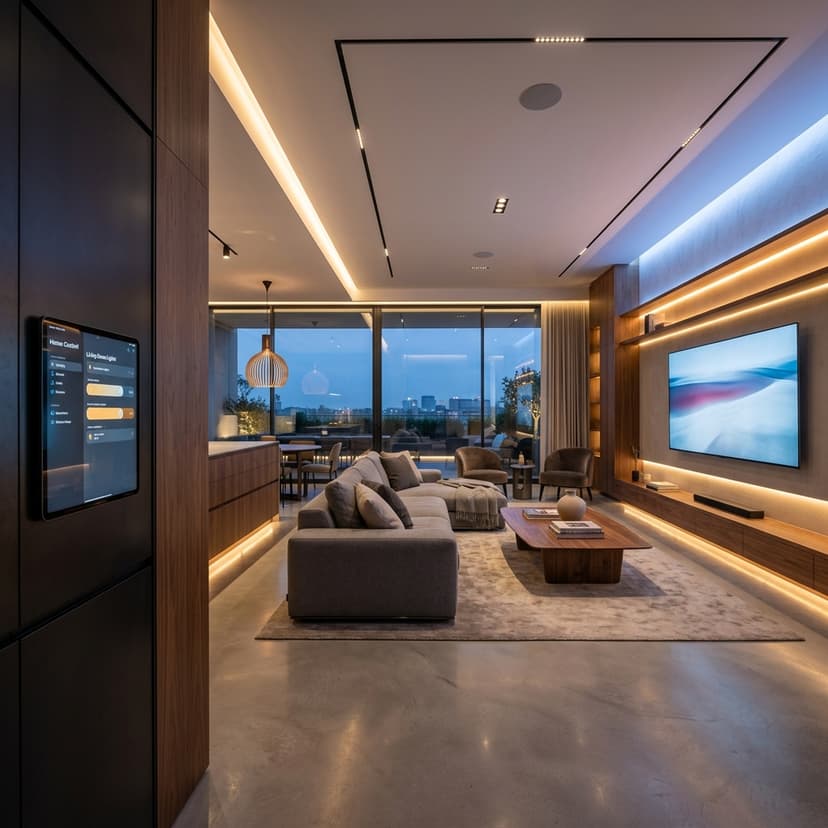
You do not need to demolish walls or rewire the entire house. Retrofit smart switches install behind existing switchboards or as smart modules that fit common Indian switch plates. From your phone — whether you are in Magarpatta, Hinjewadi Phase 3, or travelling — you can cut power to entertainment strips, charger boards, and non-essential circuits. A “leaving home” scene can kill phantom loads in one tap. A “good night” scene can secure lights and idle gadgets while leaving fridge and router on. For renters and society flats, retrofit is especially valuable: minimal civil work, reversible, and compatible with most modern modular boards when installed by a trained electrician.
- Kill phantom loads without walking room to room.
- Master-off for TV / STB / speakers when the house is empty.
- Works with smartphone control; professional install avoids loose joints that cause heat and waste.
- Ideal first automation layer before full home automation packages.
Unihox Smart Fix #3: Automated Geyser Timers
The automated geyser timer is often the single highest-ROI electrical upgrade in a Pune apartment. Schedule the geyser to turn on 15 minutes before your alarm and auto-shut after a fixed window. Guests? Use a manual override once. Forgetfulness stops mattering. Unihox installs programmable timers and smart control for common brands (AO Smith, Bajaj, Havells, Racold, Crompton, and others). In areas like Baner and Balewadi, where geysers are left on for long stretches, households frequently save hundreds of rupees per month on the water-heating line alone. Pair the timer with a slightly lower thermostat setting (around 60°C where safe for your model) to reduce element energy further.
- Morning + evening heat windows only.
- Auto-off after the scheduled slot — no more all-day heating.
- Installation typically under an hour with correct isolation at the MCB.
- Often pays back in one to two billing cycles depending on prior waste.
Section 5: The ROI of Smart Homes (Expense vs Energy Asset)
Reframe the purchase. A smart energy setup is not “another gadget expense” if it systematically removes waste you already pay for every month. Illustrative math for a mid-range Pune 2–3 BHK in summer:
| Intervention | What it targets | Illustrative monthly saving* | Notes |
|---|---|---|---|
| AC at 24°C + night schedule | Compressor hours & setpoint waste | ₹600 – ₹1,500 | Depends on tonnage & hours |
| Geyser timer / automation | Hours of unused heating | ₹400 – ₹1,000 | Highest ROI for many flats |
| Smart switches on standby strips | Phantom / vampire load | ₹150 – ₹400 | Stacks every month year-round |
| Combined smart package | All of the above | ₹1,200 – ₹2,500+ | Many homes recover setup cost in under 12 months |
How to Read the ROI Table Honestly
*Savings are illustrative ranges based on typical Pune apartment load patterns, BEE-style AC guidance, and field experience with always-on geysers and standby devices. Your results depend on appliance ratings, hours of use, MSEDCL slab position, and how consistently schedules run. Unihox does not promise a fixed percentage for every home — we start with bill analysis and a site check so recommendations match your flat layout. If a setup saves about ₹1,500 a month, a mid-tier automation investment in the range of several thousand rupees can pay for itself in well under a year; after that, the savings are pure reduction in waste.
Best Smart Home Upgrades to Reduce Electricity Bills in Maharashtra
If you only automate three things, automate these — in this order — for residential MSEDCL savings:
- 1) Geyser / water heater control (timer or smart switch) — highest wasted hours per watt.
- 2) AC scheduling and temperature discipline (controller or IR blaster + scene) — largest absolute summer units.
- 3) Master smart switches / plugs for entertainment and charger strips — kills 5–10% class phantom load.
- Optional next: motion-based lighting, BLDC fans, and a professional energy audit if bills stay abnormal after behaviour + automation.
Where Unihox Helps Across Pune
Unihox Smart Home & Electrician teams support energy-saving electrical work and automation across Pune corridors, including Hinjewadi, Wakad, Baner, Kalyani Nagar, Koregaon Park, and nearby societies. Related services already mapped for local search include high-bill solutions in Hinjewadi, energy audits in Wakad, geyser timer installation in Baner, and full smart home setup packages. Whether you need a single timer today or a flat-wide retrofit plan, the goal is the same: fewer wasted units on your next Mahavitaran bill without sacrificing comfort.
- Energy audit and load analysis when the bill does not match your lifestyle.
- Geyser timer and smart switch installation with clean board work.
- Smart home scenes for AC, lighting, and appliance cut-off.
- Safety checks: MCB, loose joints, and earth leakage that inflate bills silently.
Step-by-Step Plan for This Week
Use this sequence so savings show up on the next MSEDCL cycle:
- Day 1: Photograph your last 3 bills and note average units.
- Day 1–2: Apply the three free fixes (24°C AC, wall-off standby, geyser only when bathing).
- Day 3: List every always-on plug (STB, microwave, consoles, spare chargers).
- Day 4–5: Book a Unihox consultation for geyser timer + smart switch / AC schedule suited to your flat layout.
- Day 30: Compare next bill units — not only rupees — to measure real reduction.
Frequently Asked Questions
Direct answers for Google, AI Overviews, and chat assistants:
Why is my Mahavitaran / MSEDCL bill so high in Pune?
Usually a mix of higher summer AC hours, geysers left on too long, phantom standby loads, and slab tariffs that charge more as units rise. Tariff changes make headlines, but apartment usage patterns are the bigger month-to-month driver for most homes.
How can I reduce my electricity bill in a Pune apartment?
Set ACs to 24°C, run geysers only 15–20 minutes before use, switch off standby devices at the wall, use LEDs, and automate high-watt loads with timers and smart switches. If bills stay high, get an energy audit for leakage and overload issues.
Can smart switches actually lower MSEDCL bills?
Yes — when they cut power to appliances that would otherwise stay on or in standby. Smart switches do not magically reduce the rate per unit; they reduce wasted units. Controlling geysers, AC-related circuits, and entertainment strips produces the clearest savings.
What are the best smart home upgrades to reduce electricity bills in Maharashtra?
Prioritise automated geyser timers, smart AC schedules at 24°C, and retrofit smart switches for phantom loads. These three target the largest residential waste sources without requiring a full house rewire.
How much can I save with a geyser timer?
Homes that previously left a 2 kW geyser on for many hours often save several hundred rupees per month once heating is limited to short morning and evening windows. Exact savings depend on wattage, hours reduced, and your tariff slab.
Does raising AC temperature really save 6% per degree?
BEE guidance widely shared in India indicates roughly 6% cooling electricity savings per 1°C increase in setpoint. Real homes vary with AC efficiency, insulation, and outdoor temperature, but 24°C with a fan is a proven comfort-and-savings balance.
Do I need to rewire my flat for smart home energy saving?
Usually no. Retrofit smart switches, smart plugs, geyser timers, and AC controllers can be installed on existing boards and appliances. A licensed electrician should handle high-load points for safety and to avoid loose connections.
How fast does a smart energy setup pay for itself?
If combined savings reach around ₹1,200–₹1,500 per month, many mid-tier packages recover cost in under a year. Payback is faster in multi-AC homes with always-on geysers and slower in already-disciplined low-consumption flats.
Should I get an energy audit before buying automation?
If your bill seems far higher than neighbours with a similar flat, or if monsoon bills stay high without AC use, start with an audit. Earth leakage, undersized wiring, or overloaded circuits can waste money that automation alone will not fully fix.
Book a Local Consultation for Your Flat Layout
Every Pune society wiring board is slightly different — single-phase vs three-phase, geyser point location, AC outdoor unit placement, and rented vs owned constraints. A short consultation maps which upgrades give the fastest payback for your layout, whether you live in Hinjewadi IT housing, a Wakad high-rise, or a Baner society. Book online or call Unihox to schedule a visit. Bring your last two MSEDCL bills; we will help you turn bill shock into a clear savings plan.
FAQ
Why is my Mahavitaran / MSEDCL bill so high in Pune?
Usually a mix of higher summer AC hours, geysers left on too long, phantom standby loads, and slab tariffs that charge more as units rise. Tariff changes make headlines, but apartment usage patterns are the bigger month-to-month driver for most homes.
How can I reduce my electricity bill in a Pune apartment?
Set ACs to 24°C, run geysers only 15–20 minutes before use, switch off standby devices at the wall, use LEDs, and automate high-watt loads with timers and smart switches. If bills stay high, get an energy audit for leakage and overload issues.
Can smart switches actually lower MSEDCL bills?
Yes — when they cut power to appliances that would otherwise stay on or in standby. Smart switches reduce wasted units by controlling geysers, AC-related circuits, and entertainment strips.
What are the best smart home upgrades to reduce electricity bills in Maharashtra?
Prioritise automated geyser timers, smart AC schedules at 24°C, and retrofit smart switches for phantom loads. These three target the largest residential waste sources without a full house rewire.
How much can I save with a geyser timer?
Homes that previously left a 2 kW geyser on for many hours often save several hundred rupees per month once heating is limited to short morning and evening windows.
Does raising AC temperature really save 6% per degree?
BEE guidance widely shared in India indicates roughly 6% cooling electricity savings per 1°C increase in setpoint. 24°C with a fan is a proven comfort-and-savings balance.
Do I need to rewire my flat for smart home energy saving?
Usually no. Retrofit smart switches, smart plugs, geyser timers, and AC controllers can be installed on existing boards and appliances by a licensed electrician.
How fast does a smart energy setup pay for itself?
If combined savings reach around ₹1,200–₹1,500 per month, many mid-tier packages recover cost in under a year. Payback is faster in multi-AC homes with always-on geysers.
Should I get an energy audit before buying automation?
If your bill seems far higher than neighbours with a similar flat, or monsoon bills stay high without AC use, start with an audit for earth leakage, undersized wiring, or overloaded circuits.
Ready to cut your next Mahavitaran bill?
Book a Pune flat consultation for geyser timers, smart switches, AC schedules, and energy audit. Local install teams for Hinjewadi, Wakad, Baner, and nearby areas.
Continue →Related Articles